
06 Feb Inspection Planning + Data Capture in a Modern QMS
Inspection spans far more than a single checkpoint on the shop floor. It begins with structured planning and continues through production, verification, and final documentation. When these elements are managed independently, quality information becomes fragmented; often scattered across spreadsheets, paper travelers, standalone CMM systems, and aging archives, which undermines traceability, efficiency, and confidence in the results.
A modern Quality Management System (QMS), when tightly integrated with the Enterprise Resource Planning (ERP) work order, replaces this fragmentation with a single digital thread. The result is not just better compliance, but faster builds, fewer escapes, and a continuously improving manufacturing system.
Here we explore how integrated inspection planning and data capture – spanning First Article Inspection (FAI), In-Process Control (IPC), and final customer documentation – directly benefits manufacturers operating in high-mix, high-reliability environments.
Inspection Planning as an Engineering Discipline
Inspection planning should be treated with the same rigor as process planning. When inspection plans are created inside the QMS and directly linked to the ERP work order, they become:
- Configuration-controlled artifacts tied to part number, revision, and routing
- Automatically versioned as drawings, specifications, or customer requirements change
- Reusable and scalable across repeat builds and similar part families
Instead of recreating inspection logic for every job, engineers define inspection characteristics once (critical dimensions, tolerances, surface finishes, material certs, and special process requirements) and deploy them consistently across production. This ensures that inspection intent is explicit, standardized, and aligned with both engineering and customer expectations.
Seamless Flow: Planning → FAI → IPC → Final Inspection
First Article Inspection (FAI)
When inspection planning is integrated into the work order, FAI is no longer a scramble to assemble ballooned prints and spreadsheets. Characteristics defined during planning automatically populate:
- AS9102 or customer-specific FAI forms
- Measurement prompts for CMMs, manual gauges, or vision systems
- Pass/fail logic and tolerance validation at the point of data entry
This reduces human interpretation errors and shortens FAI cycle time while improving confidence in first-pass approval.
In-Process Control (IPC)
The same inspection characteristics flow forward into IPC, enabling:
- Operation-specific inspection checkpoints
- Sampling plans tied to process risk
- Real-time feedback to operators and supervisors
Since IPC data is captured directly against the ERP work order and operation, quality becomes proactive rather than reactive. Trends are visible while parts are still in process, allowing corrective action before nonconformities propagate downstream.
Final Inspection and Customer Package
At final inspection, data aggregation is automatic. The QMS compiles:
- Dimensional results
- Material and process certifications
- Nonconformance dispositions (if any)
- Lot and serial traceability
The customer package is generated directly from verified data, not manually assembled PDFs, reducing release delays and eliminating discrepancies between what was inspected and what was reported.
Data Capture at the Source: Accuracy and Accountability
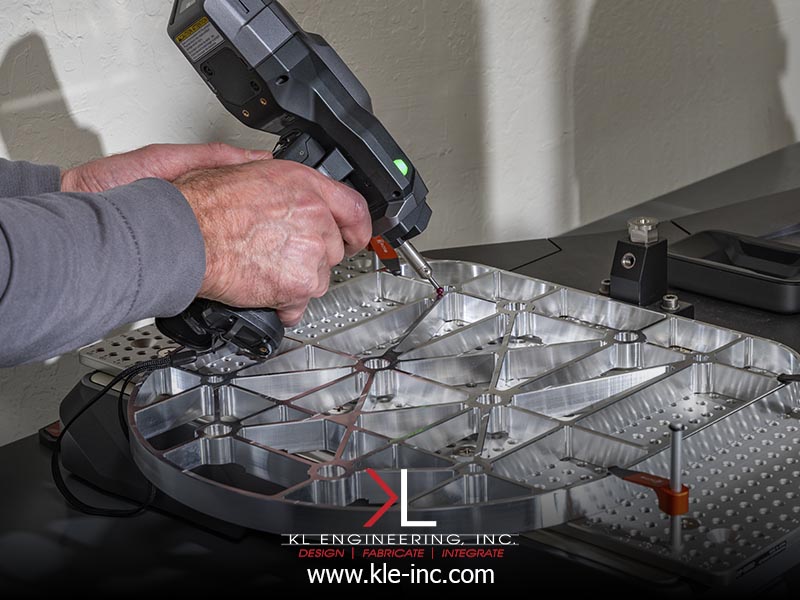
Integrated QMS platforms capture inspection data at the point of measurement, whether entered manually or imported digitally from inspection equipment. This approach delivers several advantages:
- Immediate validation against engineering tolerances
- Elimination of transcription errors from handwritten notes or re-keyed spreadsheets
- Operator accountability through user-based data attribution
Each measurement is time-stamped, revision-aware, and linked to the exact work order, operation, and part configuration. This level of granularity is essential for root cause analysis, audit defense, and continuous improvement initiatives.
Historical Data as a Strategic Asset
The most underappreciated benefit of integrated inspection systems is the creation of a living quality history. Instead of rummaging through file boxes to find an inspection print with coffee stains, organizations gain instant access to:
- Prior inspection results for repeat builds
- FAI comparisons across revisions
- Process capability trends over time
- Evidence for customer, regulatory, or internal audits
When a part is re-released years later, inspection plans and historical results are already available, dramatically reducing requalification effort and risk.
This historical data enables smarter decisions:
- Which dimensions consistently trend toward limits?
- Where can inspection frequency be safely reduced?
- Which suppliers or processes introduce the most variability?
Quality data transitions from a compliance requirement to a competitive advantage.
Closing the Loop: Quality as an Integrated System
When inspection planning and data capture are fully integrated with ERP work orders, quality is no longer a downstream gate, it becomes embedded in the manufacturing process.
The benefits compound:
- Faster FAIs and repeat builds
- Fewer escapes and rework cycles
- Stronger audit readiness
- Reduced institutional knowledge risk
Most importantly, manufacturers gain confidence that what was planned, built, inspected, and shipped are all aligned – digitally, traceably, and repeatably.
As manufacturing complexity increases and quality expectations rise, inspection systems must function as an integrated, data-centric infrastructure rather than isolated checkpoints. When inspection planning, execution, and historical data are unified within the work order, organizations gain repeatability, traceability, and long-term process intelligence. This integration transforms inspection from a compliance activity into a durable operational capability that supports both current production and future programs.
Let’s Build the Right Solution – Together.
At KL Engineering, capability and flexibility unite to serve one purpose: your goals. We don’t believe in one-size-fits-all. Instead, we tailor every project to fit your unique needs, seamlessly aligning with your processes and priorities. Ready to move forward with a partner who adapts to you? Contact us or request a quote today to get started on your next project.